
Low-Maintenance Planting Palettes for Busy Homeowners in Magnolia, TX
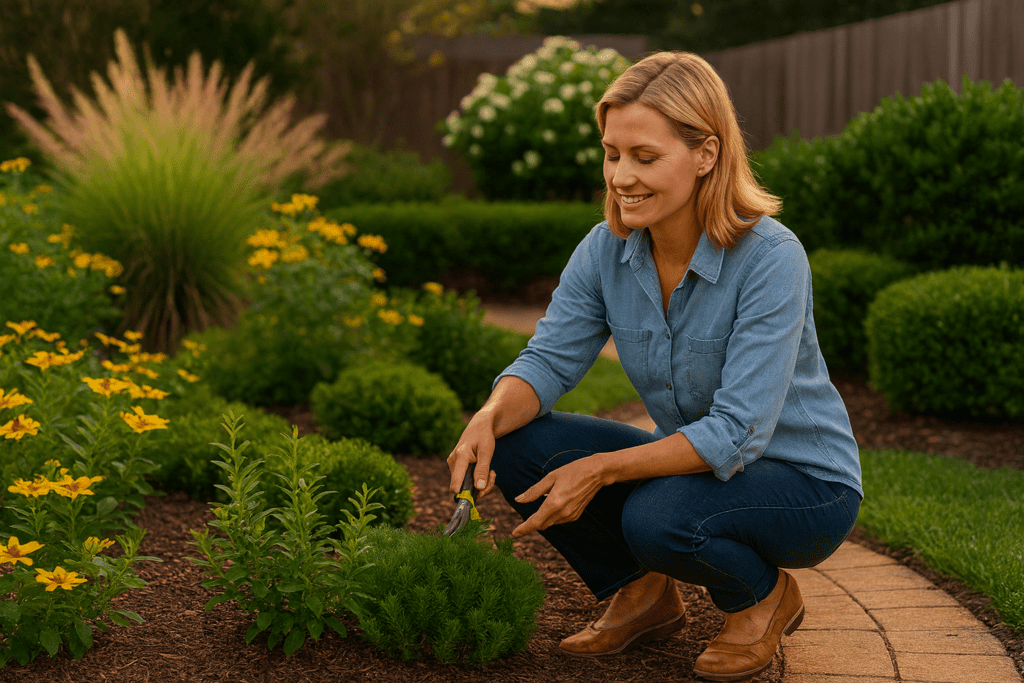
Not every homeowner wants to spend their weekends weeding, pruning, and fertilizing. In Magnolia, Texas, our hot summers, periodic droughts, and heavy clay soil mean plant selection is critical — not just for beauty, but for long-term success with minimal effort.
Choosing climate-adapted plants designed to thrive in our unique conditions can save you time, money, and frustration. Whether you’re in a master-planned HOA neighborhood or on a rural property, the right palette will give you a vibrant, healthy landscape with less work.
What Makes a Plant “Low Maintenance” in Magnolia?
A low-maintenance plant isn’t just one that survives without much care — it’s one that thrives in our area with minimal water, pruning, and fertilization. The best plants for Magnolia typically:
- Tolerate heat, humidity, and occasional freezes
- Adapt to clay soil and varying drainage conditions
- Resist damage from local wildlife (like deer and rabbits)
- Maintain an attractive form without frequent trimming
- Require little to no pest or disease treatment
Critters to Consider in Magnolia
Before you plant, think about who else might enjoy your garden:
- Deer are common in rural and wooded areas; they’ll browse many shrubs and flowers. Deer typically won’t jump a 6′ fence, so if you have one, plant deer favorites inside that protected area. Dogs are also a great deterrent. Don’t fight mother nature — if deer love a plant, put it where they can’t get to it.
- Rabbits can nibble young shoots and tender groundcovers.
- Squirrels and other small animals may dig in beds, especially where bulbs are planted.
Even “deer-resistant” plants may get sampled if food is scarce. Use a variety of textures, scents, and foliage types to make your landscape less inviting.
Maintenance Expectations
Low-maintenance doesn’t mean no maintenance. To keep your landscape looking its best:
- Pruning: Most climate-adapted plants need trimming 1–2 times per year, often after bloom cycles.
- Fertilization: Some plants may not need fertilizing, but a healthy plant will resist pests and disease much better. The key is finding the balance between keeping plants healthy and avoiding over-fertilizing, which can lead to more pruning and maintenance. The right fertilizer can also boost blooms.
- Mulching: Mulch does more than retain moisture and suppress weeds — it also helps keep plant roots insulated and healthy. (We’ll dive deeper into this in an upcoming blog.)
- Watering: Knowing your plants’ preferences matters. Some thrive with overhead watering from a standard irrigation system, while others require drip irrigation to avoid leaf damage.
Recommended Low-Maintenance Plants for Magnolia, TX
| Plant Name | Why It Works in Magnolia | Critter Resistance | Maintenance Level |
|---|---|---|---|
| Firecracker Plant | Bright blooms, attracts hummingbirds, heat-tolerant | Deer-resistant | Light pruning in spring |
| Plumbago | Long blooming season, drought-tolerant once established | Deer-resistant | Occasional shaping |
| Carex Grasses | Great texture & color, survives freeze & drought | Deer & rabbit-resistant | Cut back once per year |
| Abelia (varieties) | Long flowering, compact, handles sun & partial shade | Deer-resistant | Light seasonal pruning |
| Dwarf Yaupon Holly | Clean structure, evergreen foliage, minimal pruning | Deer-resistant | Shape as desired |
| Fox Tail Fern | Unique texture, thrives in sun/part shade | Rabbit-resistant | Low |
| Junipers (Blue Rug, Greenmound, Parsoni) | Evergreen groundcover/shrubs, drought-tolerant | Deer-resistant | Minimal shaping |
| Blue Daze | Spreading blue blooms, loves heat | Deer-resistant | Low |
| Lantana | Tough, colorful, thrives in heat | Deer & rabbit-resistant | Cut back in winter |
| Dwarf Fountain Grass | Attractive plumes, heat & drought-tolerant | Deer-resistant | Cut back annually |
| Muhly Grass | Stunning pink/purple fall blooms | Deer-resistant | Cut back annually |
| Hamelia (Firebush) | Attracts butterflies, thrives in heat | Deer-resistant | Prune after bloom |
| Sunshine Ligustrum | Golden foliage year-round | Deer-resistant | Light shaping |
| Loropetalum | Burgundy foliage, pink blooms | Deer-resistant | Minimal pruning |
| Drift Roses | Compact, long-blooming | Low deer interest | Seasonal pruning |
| Red Yucca | Architectural form, drought-tolerant | Deer-resistant | Remove old stalks |
| Star Jasmine | Fragrant white blooms, fast cover | Low deer interest | Prune to control growth |
Why the Right Palette Pays Off
- Reduces ongoing costs for water, fertilizer, and pest control
- Creates a landscape that looks good year-round
- Allows you to enjoy your yard instead of working on it constantly
- Increases curb appeal and property value
Final Thoughts
This is just the starter guide. In upcoming blogs, we’ll expand on plant-specific watering methods, fertilization schedules, and seasonal care tips so you can get the most from your Magnolia landscape.
If you’re ready to simplify your landscaping while keeping it stunning, Archer Services can help design and install a planting plan tailored to your home, HOA, and lifestyle.
Schedule a Discovery Call or visit archerlawns.com to get started.
Please Like us on Facebook! www.archerlawns.com (281) 203-7615 Office
Recent Posts
The Hydrological Landscape: Mastering Water Movement and Infiltration in Houston Soil
In the Houston and Magnolia regions, water is both a vital resource and a primary threat to landscape longevity. Between intense summer droughts and flash-flooding rainstorms, a property’s “hydrological design”—how…

The Immune System Landscape: Natural Defense Against Pests and Disease
For decades, the standard approach to landscape pests and diseases has been reactive: wait for a problem to appear, then apply a chemical to kill it. However, modern horticultural science…

The Houston Landscape Management Calendar: A Month-by-Month Technical Guide
In the Houston and Magnolia areas, our “growing season” is nearly year-round. This means the traditional rules of landscaping often don’t apply. Success in our climate isn’t about working harder;…