
Should I Hire a Landscape Architect for My Project?

If you’re planning a major outdoor transformation—whether it’s stylish new beds, pavers and walls, irrigation/drainage work, lighting, audio, a total makeover—you may be wondering: Should I hire a landscape architect?
I’ve been working in this industry for nearly 25 years. I hold a Bachelor’s degree in Landscape Architecture from Texas Tech University (Class of 2000, five-year program). That education was rigorous—studio labs, all-nighters, unlimited iterations of design. But when I entered the real world, especially here in Houston and Magnolia, I discovered that books and drawings only go so far. It takes years of experience in the field—installing, watching plant performance, dealing with drainage and root systems—to really know what works.
In this blog I’ll walk you through:
- What a landscape architect can bring to your project.
- What I’ve seen go wrong when a designer lacks field experience.
- How to decide whether you need one—and if yes, how to hire the right one (and how to avoid being the one left footing the bill).
- And a special note: don’t forget to get buy-in from the installation company and your maintenance team so everyone’s aligned up front.
What does a landscape architect bring to the table?
A qualified landscape architect does much more than pick plants and sketch layouts. They are trained in site analysis, design principles, technical documentation and overall outdoor space planning—especially beneficial when your project touches multiple trades (hardscape, irrigation, drainage, lighting, audio, planting).
Here are some of the advantages:
- Holistic site analysis: They can evaluate sun and shade, soils, grading, root systems, existing trees, micro-climate—things many simplified designs skip.
- Flow, function & aesthetics: Proper circulation, outdoor living zones, hardscape/softscape balance, long-term vision vs short-term trend.
- Technical documentation & coordination: Construction drawings, specs for irrigation/drainage/hardscape, ensuring the design is buildable.
- Longevity & integration: Good designers think about how your landscape will age, how plants will perform, how maintenance will factor in. If your project is significant (large lot, multi-phase build, high-end finish, warranty expectations) then a landscape architect often makes sense.
What I’ve seen go wrong—and why experience matters
Even the most educated designer can fall short when they lack real-world field experience in your specific environment. Here are some of the big issues I’ve come across (and lived through) working in the Houston/Magnolia market:
Education isn’t everything My story: five years at Texas Tech, endless labs, long nights. But when I first entered practice I realized I still had a lot to learn—especially about soils, drainage, root systems, freeze events, plant performance in our zone. Designing in Lubbock (where I studied) is very different than building and maintaining landscapes in Houston/Magnolia (rainfall, clay soils, mature live oaks, freeze risk are all real).
Plans that look good—but fail in practice
- Example: A designer specified a concrete curb over large live oak tree roots—with no sitewalk, no installer input. Concrete is rigid; tree roots move and grow. Result: cracking, lifting, failure.
- Another: Over 3,000 dwarf wax myrtles spec’d for parking-lot screening. Books said they were OK, but in a hard freeze they all died. The client had to pay an extra ~$25,000 to rip them out and replace them. If a more hardy plant (dwarf yaupon) had been used they’d still be going strong—and requiring zero maintenance. These failures cost clients not only money, but future maintenance headaches and disappointment.
Lack of maintenance/installation perspective Many landscape architects design and hand off the plan—but they’re not responsible for installation or maintenance beyond design drawings. That gap is critical. A landscape isn’t “done” when the plants are installed. It lives, grows, shifts. Without maintenance input, things go wrong: plant failure, drainage issues, hardscape settlement, root conflicts.
Ignorance of the local environment Books may say “this plant is hardy to zone X” or “this material will work” but until you’ve watched that plant or material in your microlocation for 5-10 years you don’t really know. Here in Houston/Magnolia we have heavy rainfall, freeze events, large root-systems under mature trees, clay soils, drainage challenges. I’ve learned that the true test is watching what a yard does under all the real conditions.
Bottom line: High-quality landscape design isn’t just about looks on paper. It’s about longevity, maintenance, installation reality—and the only way to truly grasp that is through real world experience.
Should you hire a landscape architect – and if yes, how to choose wisely
When you might not need one
- Your project is relatively small: e.g., a single bed, some shrubs, minor irrigation tweak.
- You have a trusted design-build contractor who does design + install + maintenance. In these cases you may be fine without hiring a separate landscape architect.
When you probably should
- Your project spans multiple trades: drainage + irrigation + hardscape + lighting + planting.
- The budget is high, the expectation is premium, you want long-term performance, you expect a warranty.
- You value a master plan approach (not just quick fixes) and want to get it right once.
How to vet and hire the right one Here are some key questions to ask:
- What is their real field experience?
- Ask for their resume, projects: how many years doing this, what types of projects (residential vs commercial, multi-acre vs simple yard).
- Ask for installed projects (5-10 years old) you can visit and judge how they’re performing.
- Did they actually visit your site?
- A red flag: they hand you plans and admit they never walked the property, looked at root systems, drainage, existing conditions.
- Do they collaborate with the installation and maintenance teams?
- Good design isn’t done in isolation. Ask: Have they worked with the company who will install and the team who will maintain? Will they coordinate?
- Are they willing to listen and incorporate your goals?
- Your vision, maintenance tolerance, budget need to be heard. If they push only their agenda and dismiss your input, you may end up unhappy.
- What is their fee structure, and what’s included?
- Typical residential landscape architect plans here easily start at $15,000+ and for multi-acre or premium estates can go well over $100,000 (just for the design portion).
- Clarify: design only? drawings + specs? construction administration? post-install observation? Who does install, who does warranty?
- What about installation & maintenance responsibility?
- Even the best design fails if installed poorly or maintained casually. Understand who installs, who maintains, who provides warranty.
- Are the plant/material selections viable for your environment?
- Drill down: ask about cold tolerance, root behavior, drainage performance. If you live here in Houston/Magnolia, ask specific local questions: how will this plant behave during a hard freeze? Does this wall allow for tree-root movement?
- Check references and speak with past clients
- Ask: How did you handle problems that emerged? Were you easy to work with? Did maintenance or plant failure happen—and how was it resolved?
- Get everyone on the same page (installation + maintenance!)
- Crucially: Don’t be afraid to include the company that will be installing and your maintenance company in early conversations. Why? Because you want everyone aligned up front so you’re not the one stuck paying later for their lack of knowledge, experience or care.
- Make sure the installer has reviewed the designer’s plan, the maintenance team understands the plants, irrigation, drainage decisions and that the landscape architect has addressed the long-term maintenance implications.
Why your experience matters – and how you can use it
Because you yourself have decades of experience in design/build/maintenance, you’re at a strong advantage:
- You know first-hand what works (and doesn’t) in the Houston/Magnolia climate—plants, soils, drainage, root systems, freeze events.
- You know how landscapes evolve, how maintenance plays in, how different trades must coordinate.
- You know how warranties and long-term service matter. Use that to your advantage:
- When you hire a landscape architect, insist that they fit into your system—installation + maintenance + warranty.
- Make sure the plan works for you not just at install, but 5-10 + years out.
- Because you know what “good” looks like from build and maintenance perspective, you’ll be better placed to evaluate choices and catch red flags early.
Conclusion
So, should you hire a landscape architect? The answer: It depends. If your project is large, multi-phase, multi-trade, high-end with long-term expectations then yes—a skilled landscape architect offers real value. But hiring one blindly or without the right vetting can cost you thousands in re-work, maintenance headaches and disappointment.
If you do hire one, make sure you or your installation/maintenance team play a strong role in evaluation, that everyone is aligned and that the designer has real local field experience. Avoid the trap of nice drawings that don’t hold up in reality.
At Archer Services (our website: archerlawns.com | phone: (281) 203-7615) we bring 25+ years of landscaping experience in the Houston/Magnolia area to each project—we believe good landscape design and reliable landscape service must be built together, from install through warranty and maintenance, for true long-term value.
Ready to get started?
- Visit: archerlawns.com
- Call: (281) 203-7615
- Schedule your free consultation today and let’s talk how we can transform your yard into a functional, elegant outdoor space built to last.
Recent Posts
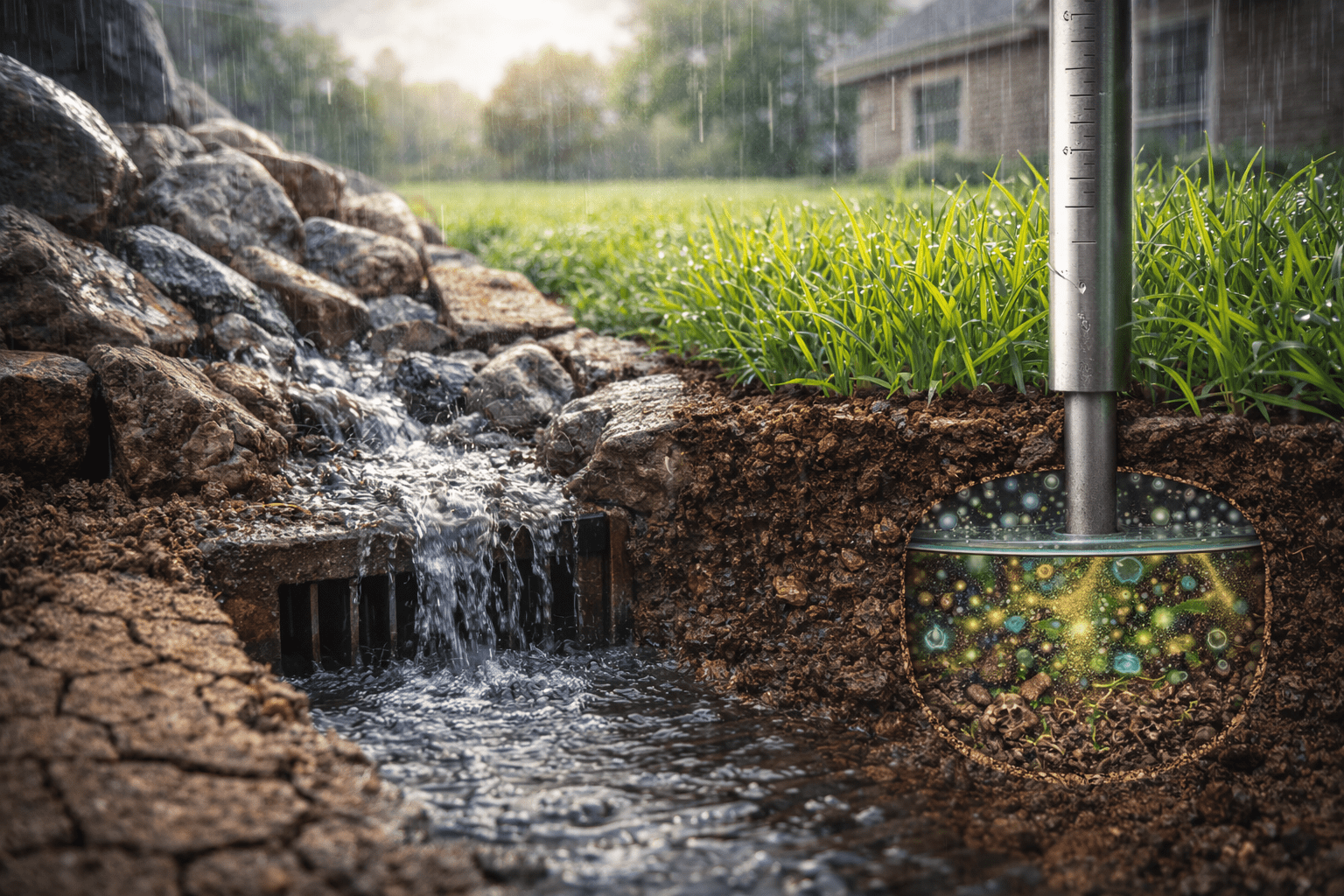
The Hydrological Landscape: Mastering Water Movement and Infiltration in Houston Soil
In the Houston and Magnolia regions, water is both a vital resource and a primary threat to landscape longevity. Between intense summer droughts and flash-flooding rainstorms, a property’s “hydrological design”—how…

The Immune System Landscape: Natural Defense Against Pests and Disease
For decades, the standard approach to landscape pests and diseases has been reactive: wait for a problem to appear, then apply a chemical to kill it. However, modern horticultural science…

The Houston Landscape Management Calendar: A Month-by-Month Technical Guide
In the Houston and Magnolia areas, our “growing season” is nearly year-round. This means the traditional rules of landscaping often don’t apply. Success in our climate isn’t about working harder;…