
A Designer’s Guide to Landscape Design: How to Think Through Your Outdoor Space the Right Way

Most homeowners begin their landscape project in the wrong place. They start with plants, materials, Pinterest boards, or guesswork.
But this is not how professional landscape designers think.
A successful landscape follows a structured, logical sequence, and when you understand that order, you avoid the costly mistakes that frustrate so many homeowners.
This guide walks you through the exact process a landscape designer or landscape architect uses when planning a property — step by step — so you can make confident decisions and get a landscape that works beautifully for decades.
Start With Function: How Will You Use the Space?
Every design begins with one question: “What do you want this space to do?” Before choosing plants or paving stones, identify your needs:- Do you want a place to entertain?
- Do you need shade or privacy?
- Do kids or pets need room to play?
- Do you want low maintenance or a high-end look?
- Do you want a pool, fire pit, or quiet garden?
- What view do you want from inside your home?
- Where will you spend mornings? Evenings?
Evaluate the Site: Measurements, Elevation & Natural Limitations
Before any layout or plant selection begins, a designer must thoroughly understand the physical property. This technical evaluation is critical to creating a design that is functional, buildable, and long-lasting. Measurements & Existing Conditions A proper base map includes:- accurate property measurement
- existing patios, walkways, and structure
- tree locations and canopy spread
- irrigation zones and limitation
- property lines, setbacks, and easement
- utilities (gas, water, electric, septic)
- access points for construction equipment
- natural water flow
- sloped or low area
- where runoff enters or exits the property
- potential drainage conflict
- opportunities to regrade for better flow
- full sun area
- deep shade zone
- afternoon heat exposure
- areas with reflective heat from windows or stone
- neighbor windows and patio
- second-story visibility
- street exposure
- areas where privacy screening is needed
- existing views worth highlighting
- Magnolia’s clay soil performance
- root zone
- erosion-prone area
- compaction issue
Start With Hardscapes: The Structural Framework
Homeowners usually start with plants. Designers start with structure because it defines:- circulation and traffic flow
- gathering area
- entrances and exit
- transitions between space
- the scale and proportions of the yard
- where walls, steps, and grade changes must occur
- patio
- walkway
- driveway
- parking court
- step pad
- retaining wall
- fire pits and fireplace
- outdoor kitchen
- pergolas and pavilion
- pool decks and seating area
Softscapes: Bringing the Space to Life
Once the hardscape layout is complete, the planting design wraps around it. Softscape includes:- planting bed
- trees and shrub
- ornamental grasse
- lawn area
- privacy planting
- seasonal color pocket
- layering, color, and texture
- Carex grasses
- Abelia varieties
- Plumbago
- Firecracker plant
- All-natural hardwood or pine mulch (not dyed)
Special Features & Focal Points
These features influence the layout and must be planned early:- fountain
- feature tree
- sculptures or artwork
- large pottery
- trellises or arbor
- raised planter
- water feature
- seating wall
- fire feature
- outdoor kitchen
Integration: Making the Entire Design Cohesive
A designer steps back and evaluates:- Do the sightlines feel intentional?
- Are transitions smooth and comfortable?
- Are the elevations correct?
- Does drainage flow properly?
- Do the hardscape and softscape feel unified?
- Is the space balanced visually and functionally?
Lighting: Extending Your Landscape into the Evening
Lighting is essential for:- safety (steps, walkways, transitions)
- security (dark corners and property edges)
- beauty (highlighting trees, walls, architectural elements)
- usability (patios and paths become functional at night)
Outdoor Audio: Completing the Experience
A well-designed audio system:- creates ambiance
- offers zoned control
- uses hidden or camouflaged speaker
- fills the yard evenly
- enhances gatherings or private relaxation
- avoids disturbing neighbor
Amenities & Comfort Systems
Depending on preference and budget, homeowners may add:- mosquito misting system
- outdoor heaters or fan
- smart irrigation
- outdoor Wi-Fi
- landscape camera
- drainage enhancement
- specialty lighting
Material Selections & Budget Alignment
Materials come at the end — not the beginning. Material choices determine:- cost
- style
- durability
- maintenance
- availability
Recent Posts
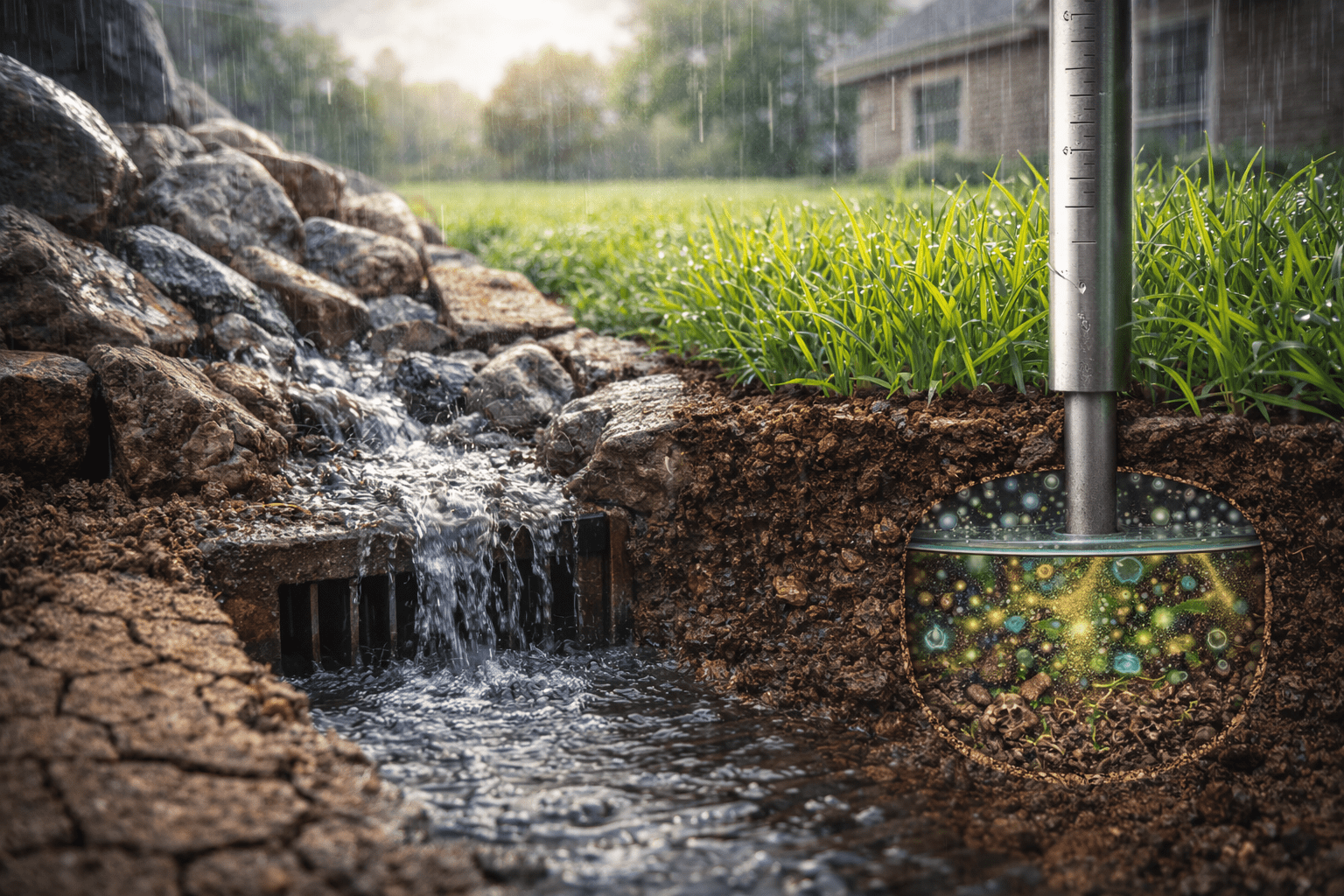
The Hydrological Landscape: Mastering Water Movement and Infiltration in Houston Soil
In the Houston and Magnolia regions, water is both a vital resource and a primary threat to landscape longevity. Between intense summer droughts and flash-flooding rainstorms, a property’s “hydrological design”—how…

The Immune System Landscape: Natural Defense Against Pests and Disease
For decades, the standard approach to landscape pests and diseases has been reactive: wait for a problem to appear, then apply a chemical to kill it. However, modern horticultural science…

The Houston Landscape Management Calendar: A Month-by-Month Technical Guide
In the Houston and Magnolia areas, our “growing season” is nearly year-round. This means the traditional rules of landscaping often don’t apply. Success in our climate isn’t about working harder;…