
Building a Concrete Patio That Lasts: What Every Homeowner Should Know

Concrete is one of the most versatile, durable, and cost-effective materials for patios, driveways, and outdoor living spaces. But here’s the thing-done wrong, even the strongest material on earth will crack, sink, or crumble far sooner than you’d like. After over 20 years in the landscaping and hardscaping industry here in Magnolia, TX, we’ve learned what it truly takes to build a concrete patio that lasts decades, not just years.
Whether you’re thinking about a new driveway, a backyard retreat, or a large entertaining area, here’s what you need to know before anyone pours a single yard of concrete.
1. Start with the Right Sub-Base
A concrete patio is only as good as the ground beneath it. We recommend excavating 2-4 inches below grade and adding a compacted sub-base made from crushed limestone or road base. This provides a stable, well-drained foundation that prevents settling and cracking over time. For high-traffic areas like driveways, we’ll go even deeper.2. Expansion Joints: Your Concrete’s “Flex Points”
Expansion joints are the intentional gaps in a slab that let it expand and contract with temperature changes without cracking. Our recommendations:- Use pre-molded fiberboard or rubber expansion joint material for maximum durability.
- Place joints every 8-12 feet for patios and 10-15 feet for driveways.
- Install them where the patio meets other structures, like your home’s foundation or a pool deck.
3. Reinforcement: Strength from the Inside Out
Concrete is strong in compression but weak in tension. That’s why reinforcement matters. Best practices:- Use #3 or #4 rebar in a grid pattern, suspended in the middle of the slab-not laying on the bottom where it does nothing.
- For smaller patios, welded wire mesh can be effective, but rebar is best for heavy loads.
- Upgrade option: Add fiberglass or steel fiber additives directly to the mix for increased crack resistance.
4. Thickness Counts
For patios, 4 inches of concrete is standard. For driveways or high-load areas, go to 5-6 inches. Yes, it’s more concrete upfront-but it’s also a much longer lifespan before you have to think about repairs.5. Commercial-Grade Upgrades for Residential Projects
Ever wondered why commercial parking lots last for decades under heavy truck traffic? It’s all in the prep.- Heavier sub-base layers (6-8 inches compacted)
- Higher PSI mixes (4,500-5,000 PSI or more)
- Pier and beam construction for challenging soil or heavy load areas
6. Pouring & Finishing Done Right
Concrete finishing is an art. Uneven stamps, overworked surfaces, or bad timing during the pour can leave you with permanent flaws. That’s why you should only trust highly experienced crews-ours took over two decades to find. We also recommend avoiding honed or polished finishes outdoors-they can be dangerously slippery. Instead, opt for a broom finish, salt finish, or stamped pattern with a slip-resistant sealant.7. Concrete Can Be Recycled & Reused
One of the best parts about concrete? It’s endlessly recyclable. Old slabs can be crushed and reused as road base or fill-making it an environmentally responsible choice, too. Concrete is poured all over the world-literally millions of cubic yards per day-but the difference between a patio that lasts 5 years and one that lasts 50 comes down to planning, materials, and craftsmanship. We’ve spent decades perfecting our process, and we handle everything-from sub-base prep to the final seal-so your new patio or driveway is as beautiful as it is durable. If you’re ready for a concrete project done right the first time, let’s talk. Call Archer Services today to schedule your consultation and get a concrete patio that stands the test of time.Recent Posts
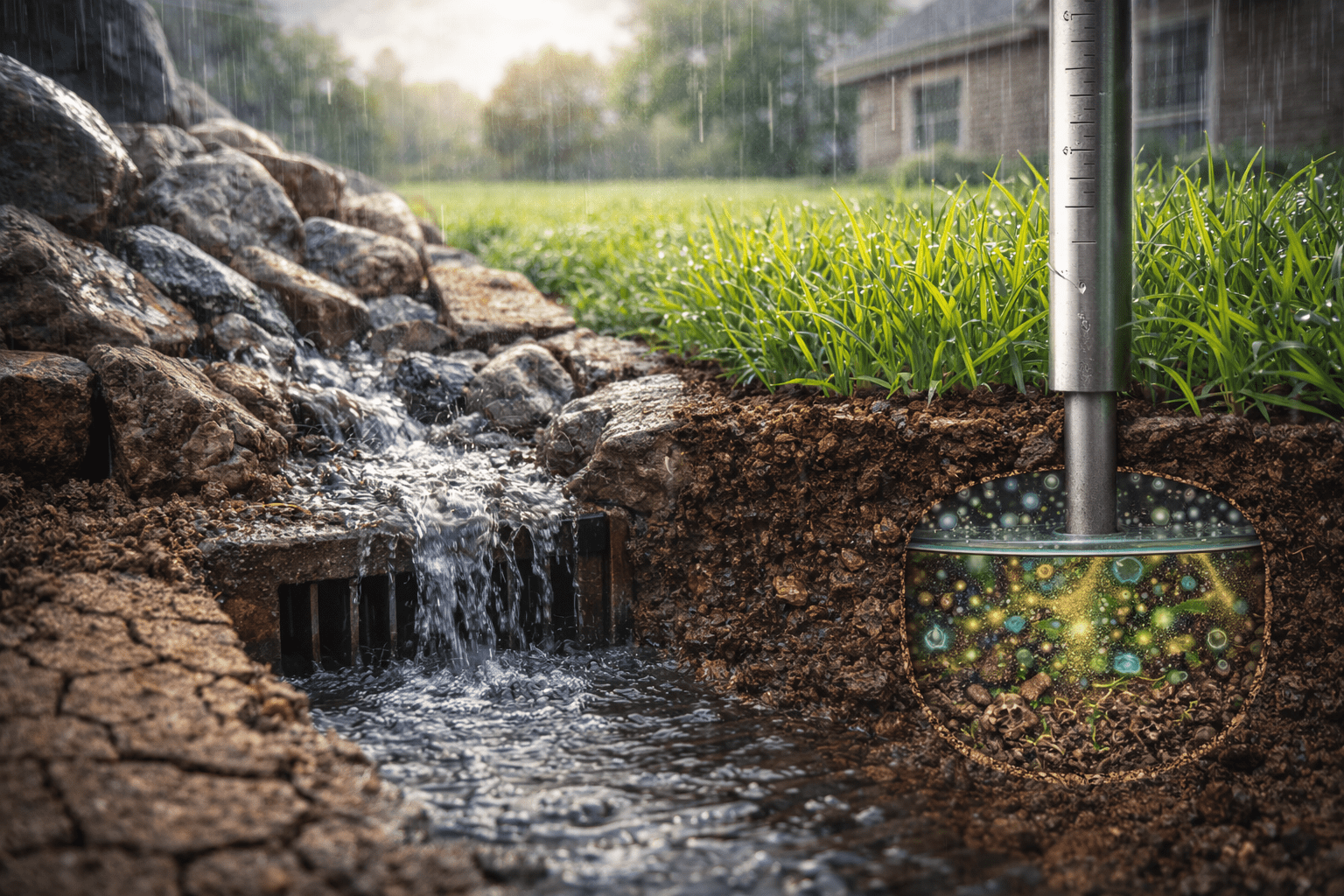
The Hydrological Landscape: Mastering Water Movement and Infiltration in Houston Soil
In the Houston and Magnolia regions, water is both a vital resource and a primary threat to landscape longevity. Between intense summer droughts and flash-flooding rainstorms, a property’s “hydrological design”—how…

The Immune System Landscape: Natural Defense Against Pests and Disease
For decades, the standard approach to landscape pests and diseases has been reactive: wait for a problem to appear, then apply a chemical to kill it. However, modern horticultural science…

The Houston Landscape Management Calendar: A Month-by-Month Technical Guide
In the Houston and Magnolia areas, our “growing season” is nearly year-round. This means the traditional rules of landscaping often don’t apply. Success in our climate isn’t about working harder;…