
How Much Should I Budget for a Landscape Design Project?
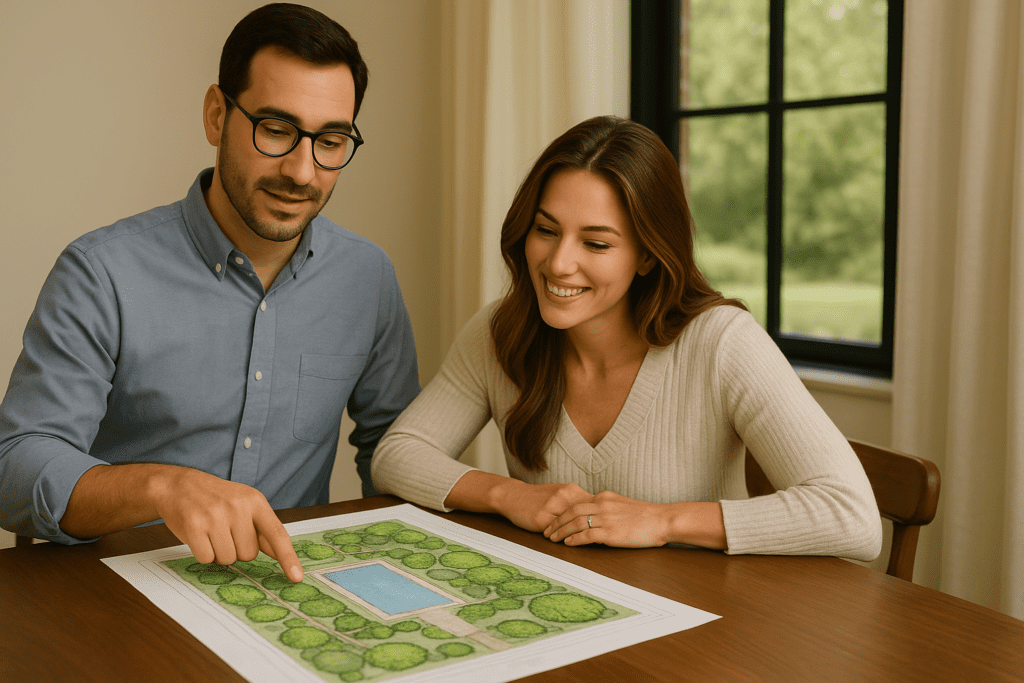
Learn how to set a realistic landscape design budget by considering your long-term plans, property type, and goals. This homeowner guide explains where costs come from and how to plan confidently before you begin.
Introduction
It’s one of the first questions homeowners ask when planning a landscape: “How much should I budget for my landscape design?” It’s a fair question — and one that deserves a transparent answer. Every property, family, and lifestyle is different. Your landscape budget depends not only on materials and design complexity, but also on your timeline, property type, and long-term goals. This guide breaks down what to consider so you can set a realistic, informed budget that fits your home and avoids surprises later on.1️⃣ Start with Your Vision
Before assigning numbers, clarify why you want to invest in your landscape. Are you updating curb appeal, building an outdoor entertainment area, or creating a low-maintenance environment that matures beautifully over time? Defining your goals first helps you decide how much of your property will be improved and where your dollars make the biggest impact.2️⃣ Think About How Long You’ll Live There
One of the most overlooked budget factors is how long you plan to stay in your home. If you expect to move within one to five years, it often makes sense to focus on cosmetic improvements — enhancements that make the property more appealing without major infrastructure costs. Examples: – Refreshing plant beds with colorful, low-maintenance selections – Replacing mulch and bed edging for a clean, fresh look – Planting trees that add long-term value for the next homeowner If your home sits on a larger or premium estate, the equation changes. At that scale, quality is not optional — it’s protection. High-end properties often carry significant annual maintenance costs, and a well-built landscape will save money over time. Cutting corners early can become very expensive later: – An improperly installed irrigation system can’t simply be upgraded; it usually must be rebuilt. – Poor soil preparation can take years to fix or may require full excavation and replacement. Spending just 5–10% more upfront for proper drainage, soil preparation, and quality materials can prevent tens of thousands in future repairs, replacements, and frustration. If this is your “forever home” — or you plan to stay more than ten years — investing in long-lasting quality isn’t about luxury. It’s about sustainability, reliability, and peace of mind.3️⃣ Understand What You’re Paying For
A complete landscape design involves multiple layers of work, and understanding where each dollar goes helps you plan wisely. Design & Planning – Site analysis, concept plans, permits, detailed drawings Site Preparation – Grading, drainage, soil improvement, irrigation installation, erosion control Hardscapes – Patios, walkways, driveways, retaining or garden walls Softscapes – Planting, sod installation, mulch, bed preparation Major Outdoor Elements – Outdoor kitchens, fireplaces and fire pits, patio covers, shade structures, pools, spas Enhancements & Special Features – Lighting systems, fountains or water features, trellises, arbors, large planters, seating walls, outdoor audio, and other architectural accents Each layer builds on the next. A solid foundation — grading, drainage, and irrigation — ensures everything above it performs correctly. Hardscapes and structures define form and function, while enhancements like lighting or fountains add comfort and personality.4️⃣ Match Quality to Property Type
If you live in a modest or mid-size home (¼ to ½ acre), focus on making every dollar count. Choose durable, cost-effective materials and prioritize visible impact. If you own a larger property or estate, higher standards for craftsmanship, materials, and long-term performance are expected — and justified. Buyers at that level understand the ongoing cost of ownership. A well-constructed landscape is a real asset; a poorly built one can reduce property value.5️⃣ Plan for Long-Term Maintenance
Every landscape — no matter how low-maintenance — needs regular care. Include ongoing costs for irrigation monitoring, seasonal pruning, lighting adjustments, and re-mulching in your annual budget. Planning for upkeep protects your investment and ensures the property matures gracefully rather than declining.6️⃣ Choosing the Right Designer to Help You Set a Budget
A successful landscape begins with the right partnership. One of the most important decisions you’ll make is selecting a designer who not only understands your goals but also respects your trust and investment from the first conversation. Know What You’re Paying For Up Front – You should never feel pressured to pay a large, non-refundable design fee before seeing any ideas. Ask for a Concept Plan and Preliminary Budget – A good designer can prepare a concept plan and a broad budget range so you can evaluate if your goals are achievable. If the estimate is within 10–50% of your target, it’s workable. If it’s 100–300% higher, it may be time to revisit your scope or expectations. Consider Style and Fit – Designers often have signature aesthetics. If their portfolio reflects your desired look, collaboration will come naturally. Be Honest About Site Challenges – Steep slopes, poor drainage, or limited access can increase project costs by 50% to 500% compared to flat lots. The Bottom Line – A great designer earns your business by listening, educating, and helping you discover what’s possible before major fees are due.Final Thoughts
A realistic landscape budget isn’t about hitting a single number — it’s about aligning your vision, property type, and timeline with what’s achievable. If you’re moving soon, focus on curb appeal and simple improvements. If you’re staying for the long haul, invest in quality materials, proper infrastructure, and a designer who helps you make smart, lasting choices. The right landscape should grow in value, not in maintenance costs. Plan thoughtfully, build correctly, and you’ll enjoy the rewards for years to come. Prepared with insight from the team at Archer Services, a landscape design–build firm based in Magnolia, Texas.Recent Posts

The Hydrological Landscape: Mastering Water Movement and Infiltration in Houston Soil
In the Houston and Magnolia regions, water is both a vital resource and a primary threat to landscape longevity. Between intense summer droughts and flash-flooding rainstorms, a property’s “hydrological design”—how…

The Immune System Landscape: Natural Defense Against Pests and Disease
For decades, the standard approach to landscape pests and diseases has been reactive: wait for a problem to appear, then apply a chemical to kill it. However, modern horticultural science…
The Houston Landscape Management Calendar: A Month-by-Month Technical Guide
In the Houston and Magnolia areas, our “growing season” is nearly year-round. This means the traditional rules of landscaping often don’t apply. Success in our climate isn’t about working harder;…